Tinubu’s Ambassadorial List Sparks Controversy Amid Allegations of Patronage
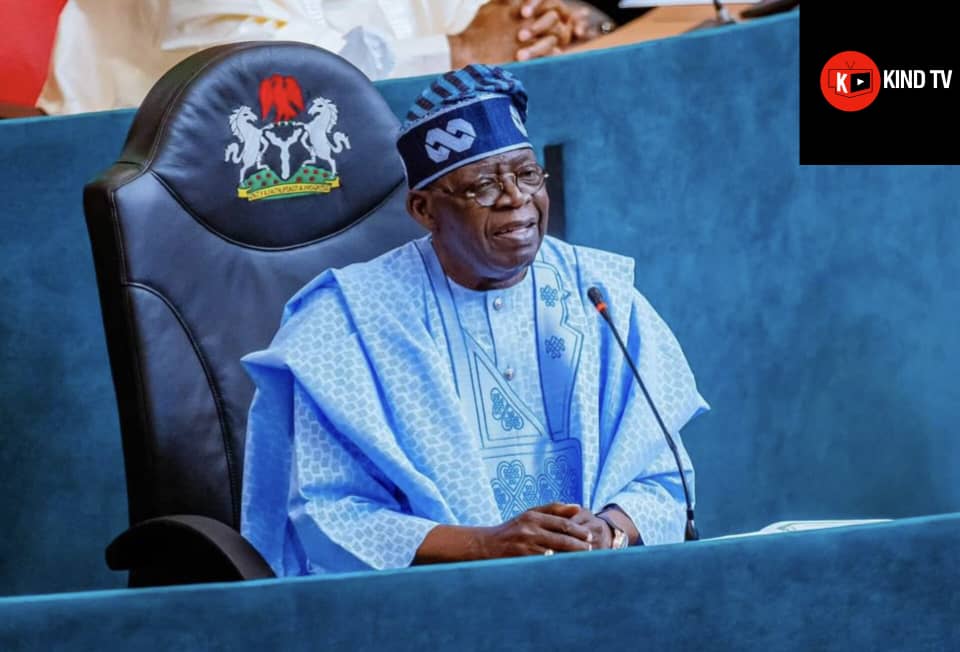
President Bola Ahmed Tinubu’s recent roll out of 32 ambassadorial nominees has stirred fresh controversy, a drama that lays bare both ambition and disquiet in the corridors of power.
Senior Special Assistant on Foreign Affairs and Protocol, Ademola Oshodi, insisted that the names reflect “the best the President has seen for the interests of his administration and for Nigeria,” invoking the presidential prerogative to appoint below. According to him, the nominees, drawn from political, administrative and non career backgrounds, were selected for their perceived ability to assist in rebuilding Nigeria’s diplomatic clout across economic, security and cultural fronts. He urged critics to await results, emphasizing that “none of the nominees has been convicted of any crime.”
But the optimism of the presidency has collided head-on with a sharp rebuke from veteran diplomat and former Permanent Secretary at the Ministry of Foreign Affairs, Joe Keshi. On air, he raised serious questions about the moral and professional fitness of certain nominees, calling some “people who, if justice had prevailed actually should be cooling their heels in the walls of the prison and not being sent out as ambassadors.” Keshi argued that the diplomatic service was established to host finely trained career officers, not to reward political loyalties. He warned of a growing bitterness among career diplomats who have been sidelined despite years of preparation.
Underlying these clashing narratives lies a more troubling reflection, the enduring influence of political godfathers and a revolving door of patronage that appears to privilege political debts over merit. The list includes not only seasoned administrators, but ex governors, former ministers, political aides and party loyalists, individuals often associated with entrenched allegiances rather than foreign service experience.
For many Nigerians, this nomination episode is a reminder that high office remains a currency in Nigeria’s political economy. Instead of restoring the battered wings of Nigeria’s diplomacy, there is growing fear that these appointments serve as pay offs to political backers, a costly transaction with uncertain returns. The coming confirmation hearing in the Senate may offer more than just a vetting of names, it may reveal how deeply the rot of patronage runs, and whether Nigeria’s diplomatic ambitions can rise above the decay of political favor.